Why Your Restaurant Sales Are Growing but Your Profit Isn't
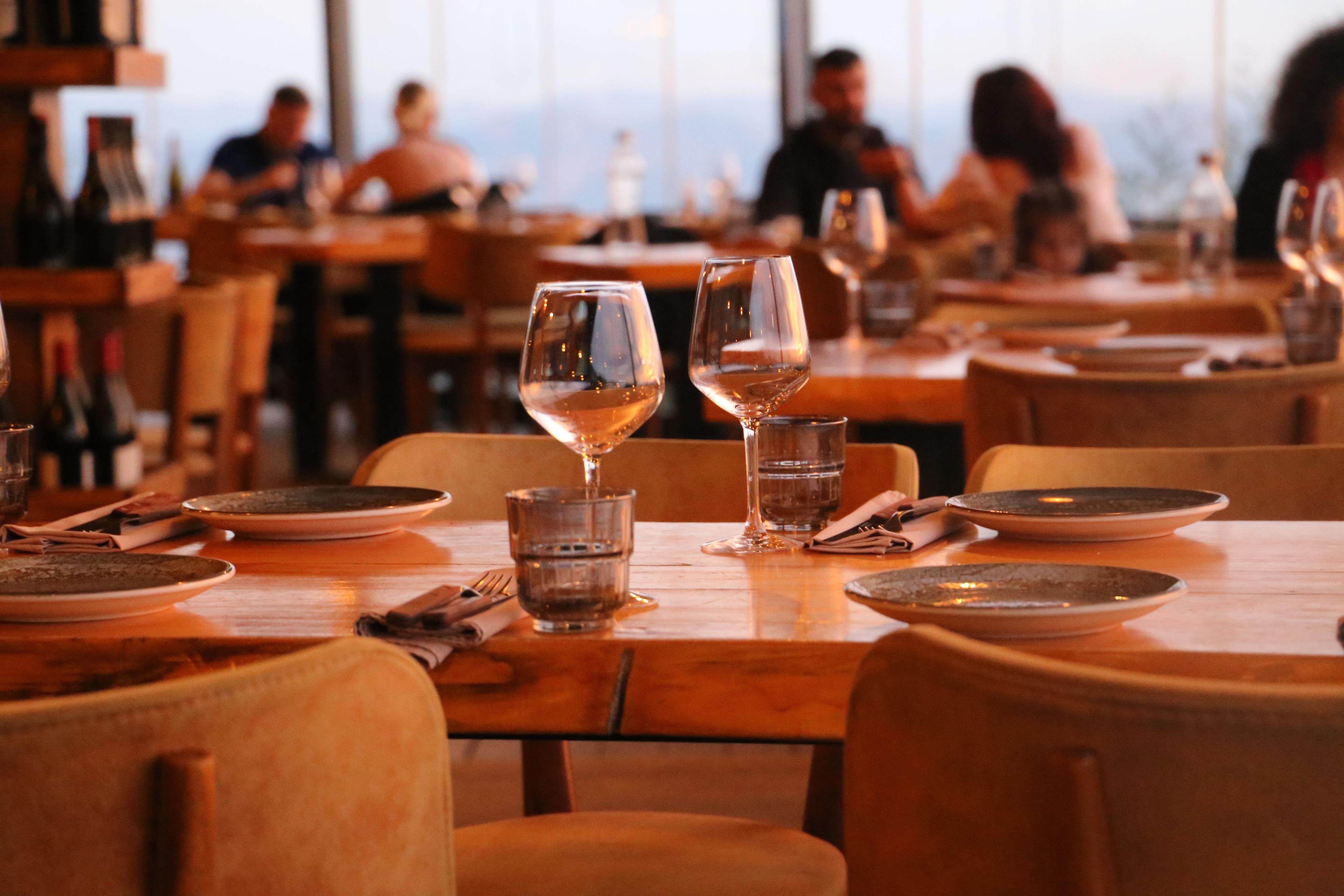
Your restaurant is getting more customers. Your daily sales are increasing. Orders are coming in faster than before.But when you look at your accounts at the end of the month, something doesn't feel right. Sales are growing, but restaurant profit isn't.
This is a common challenge for restaurant owners. Higher sales do not automatically mean higher profits. Your revenue can increase while rising food costs, inventory waste, discounts, incorrect portion sizes, and other expenses quietly reduce your margins.
The good news is that understanding where your money is going can help you make better decisions. With proper restaurant food cost tracking, inventory management, recipe costing, and a reliable restaurant POS system, you can get a clearer picture of your restaurant's financial performance.
More Sales Don't Always Mean More Profit
Let's say your restaurant made Rs. 500,000 in sales last month.
This month, your sales increased to Rs. 650,000.
At first, that looks like excellent growth.
But what if your food costs also increased? What if more ingredients were wasted? What if you gave more discounts? What if some menu items were selling well but had very low margins?
Your revenue increased, but your actual restaurant profit may not have increased by the same amount.
This is why restaurant owners need to look beyond sales numbers.
Sales tell you how much money came in. Profit tells you how much money you actually kept.
Where Is Your Restaurant Profit Going?
There are several reasons why increasing sales may not translate into increasing profit.
1. Rising Food Costs
Food is one of the biggest expenses for most restaurants.
Ingredient prices can change frequently. If you don't regularly monitor your restaurant food cost, a dish that was profitable a few months ago may have a much smaller margin today.
For example, suppose a dish sells for Rs. 300.
If its ingredients cost Rs. 120, there is a certain margin available after food costs.
But if ingredient prices increase and the same dish now costs Rs. 160 to prepare, your margin has already decreased.
Without regularly reviewing your costs, it is easy to miss this change.
2. Food Waste and Inventory Loss
Not every ingredient purchased by a restaurant ends up being sold to a customer.
Some food may be wasted because of:
-
Over-preparation
-
Spoilage
-
Incorrect storage
-
Expired ingredients
-
Over-portioning
-
Kitchen mistakes
-
Unsold prepared food
Even small amounts of waste can become a significant cost over time.
This is why effective restaurant inventory management is important. Knowing what you purchased is not enough. You also need to understand what was used, what was wasted, and what is still available.
3. Incorrect Portion Sizes
Consistency matters not only for customer experience but also for profitability.
Imagine a restaurant prepares the same dish using slightly different amounts of ingredients each time.
One cook may use 100 grams of chicken while another uses 130 grams.
That extra 30 grams may seem insignificant for one order.
But if the restaurant sells hundreds of portions every month, the additional ingredient cost can become substantial.
Standardized recipes and recipe costing can help restaurants control this problem.
Why Recipe Costing Matters
Recipe costing helps restaurant owners understand how much it actually costs to prepare a particular dish.
For example:
| Ingredient | Cost |
|---|---|
| Chicken | Rs. 80 |
| Flour | Rs. 20 |
| Vegetables | Rs. 15 |
| Spices | Rs. 10 |
| Oil | Rs. 8 |
| Total ingredient cost | Rs. 133 |
If the dish sells for Rs. 250, the restaurant can use this information to understand its potential margin before considering other operating expenses.
Recipe costing also makes it easier to identify dishes that have:
-
High ingredient costs
-
Low margins
-
Strong sales
-
Poor profitability
This information can help restaurant owners make better decisions about pricing, portions, and menus.
Your Best-Selling Dish May Not Be Your Most Profitable Dish
One of the biggest mistakes restaurant owners can make is assuming that the item selling the most is automatically making the most money.
It isn't always the case.
Imagine two dishes:
Dish A
-
Selling price: Rs. 300
-
Ingredient cost: Rs. 100
-
High sales volume
Dish B
-
Selling price: Rs. 350
-
Ingredient cost: Rs. 250
-
High sales volume
Dish B may generate more revenue per sale, but its food cost is also much higher.
This is why restaurant owners should look at both sales performance and profitability.
Your POS data can help you identify which menu items are popular, which generate more revenue, and which may need closer attention because of their costs.
Discounts Can Increase Sales but Reduce Profit
Discounts can be useful for attracting customers.
However, a restaurant should always understand the effect of a discount on its final profit.
For example, if a Rs. 1,000 order receives a 20% discount, the restaurant collects Rs. 800 instead of Rs. 1,000.
If the discount brings in a new customer who later becomes a regular customer, it may be worthwhile.
But if discounts are offered frequently without tracking their impact, they can quietly reduce profitability.
Restaurant owners should therefore monitor:
-
Total discounts
-
Discounted sales
-
Promotional campaigns
-
Sales before and after discounts
-
Customer response
This helps determine whether promotions are actually contributing to business growth.
How a Restaurant POS System Helps You Understand Your Numbers
A restaurant POS system is not only a tool for generating bills.
When properly used, it can help connect different parts of restaurant operations and give owners better visibility into their business.
A POS system can help track:
-
Sales
-
Orders
-
Menu performance
-
Inventory
-
Discounts
-
Payments
-
Food costs
-
Customer orders
-
Daily and monthly reports
Instead of relying on separate notebooks, spreadsheets, or manual calculations, restaurant owners can use centralized data to understand what is happening in their business.
For example, if sales are increasing but profit is decreasing, POS data can help you investigate whether the problem is related to food costs, discounts, inventory usage, or menu performance.
What Restaurant Owners Should Check Every Week
You don't need to analyze every number every day.
But reviewing important business metrics regularly can help you identify problems before they become expensive.
Consider checking:
Total Sales
How much did your restaurant sell this week?
Compare it with previous weeks to identify changes.
Food Cost
How much are you spending on ingredients compared with your food sales?
A sudden increase deserves attention.
Inventory
Check which ingredients are being used quickly and which are sitting unused.
Best-Selling Items
Know which dishes customers are ordering most frequently.
Low-Performing Items
Some menu items may take up inventory space without generating enough sales.
Discounts
Check how much revenue is being reduced through promotions and discounts.
Payment and Sales Reports
Compare your sales and payment records to make sure your numbers are accurate.
These simple checks can give restaurant owners a much clearer understanding of their business.
Turn Restaurant Data Into Better Decisions
The goal isn't simply to collect more data.
The goal is to use that data to make better decisions.
For example:
If a dish sells well but has a high food cost, you might review its ingredients or portion size.
If an ingredient is frequently wasted, you might adjust purchasing quantities.
If a particular menu item has very low sales, you might consider changing its price, presentation, or position on the menu.
If discounts are increasing but overall profit isn't, you might rethink your promotional strategy.
This is where restaurant technology becomes useful.
How Yummy Helps Restaurants Take Better Control
Managing all these numbers manually can become difficult as your restaurant grows.
Yummy brings important restaurant operations together in one system, helping restaurants manage billing, inventory, orders, kitchen operations, and reports more efficiently.
With features such as smart billing, inventory tracking, KOT management, reporting, and recipe costing, restaurant owners can get better visibility into what is happening across their business.
Instead of asking only:
"How much did we sell today?"
you can start asking:
"What did we actually earn, where are our costs going, and what can we improve?"
That shift from simply tracking sales to understanding business performance can make a meaningful difference to restaurant profitability.
Final Thoughts
Growing sales is a positive sign, but it is only one part of running a profitable restaurant.
If your sales are increasing while your profit remains unchanged, look beyond revenue.
Review your restaurant food cost, inventory, portion sizes, recipe costing, discounts, menu performance, and operating expenses.
Most importantly, use reliable data to understand what is happening inside your restaurant.
With the right restaurant POS system and proper tracking, restaurant owners can move from simply reacting to problems to making informed decisions that support sustainable growth.
More sales are good. More profitable sales are better.
Frequently Asked Questions
Why can restaurant sales increase but profit decrease?
Restaurant sales can increase while profit decreases because of rising food costs, inventory waste, discounts, higher operating expenses, incorrect portion sizes, and low-margin menu items.
How can a restaurant improve its profit?
A restaurant can improve profit by controlling food costs, reducing waste, managing inventory, reviewing menu pricing, monitoring discounts, standardizing recipes, and using sales data to make better decisions.
What is recipe costing in a restaurant?
Recipe costing is the process of calculating the cost of ingredients required to prepare a specific menu item. It helps restaurants understand food costs and make better pricing and menu decisions.
How does a restaurant POS system help with profitability?
A restaurant POS system can track sales, inventory, menu performance, discounts, and other operational data. This information can help restaurant owners identify unnecessary costs and make better business decisions.
Why is restaurant inventory management important?
Restaurant inventory management helps businesses monitor ingredients, reduce waste, avoid over-purchasing, identify stock shortages, and better control food costs.
Is higher restaurant revenue the same as higher profit?
No. Revenue is the money generated from sales, while profit is the amount remaining after expenses and costs are deducted. A restaurant can have high revenue but low profit if its costs are also high.